


Cargo Storage Containers
Add a review FollowOverview
-
Founded Date July 18, 1959
-
Sectors Sales & Marketing
-
Posted Jobs 0
-
Viewed 8

Company Description
11 Strategies To Completely Defy Your Shipping Container Construction

The Rise of Shipping Container Construction: A Transformative Approach to Modern Building
Over the last few years, ingenious construction techniques have actually concerned the leading edge, using sustainable, economical, and unique options to standard structure practices. Among these innovations, shipping container construction has actually rapidly acquired popularity. This method leverages used shipping containers, repurposing them into functional spaces ranging from homes and workplaces to pop-up shops and recreation center. This blog site post discusses the benefits, difficulties, and procedures of shipping container construction while addressing frequently asked concerns about this advanced building practice.
What is Shipping Container Construction?
Shipping container construction includes using intermodal containers, typically referred to as shipping containers, as the primary building material. These robust metal boxes are created to hold up against extreme conditions at sea, making them long lasting and sustainable for construction purposes. The flexibility of shipping containers allows for imaginative styles in architecture, adding to a large range of applications.
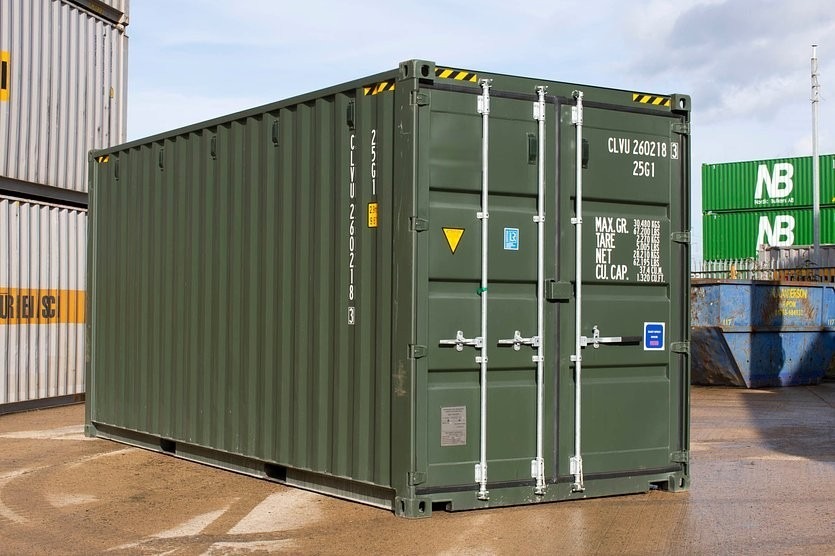
| Container Type | Dimensions (L x W x H) | Square Footage | Weight |
|---|---|---|---|
| 20-foot requirement | 20′ x 8′ x 8.5′ | 160 sq. ft. | 5,000 pounds |
| 40-foot standard | 40′ x 8′ x 8.5′ | 320 sq. ft. | 8,000 lbs |
| 40-foot high cube | 40′ x 8′ x 9.5′ | 320 sq. ft. | 8,400 lbs |
| 45-foot high cube | 45′ x 8′ x 9.5′ | 360 sq. ft. | 9,000 pounds |
Benefits of Shipping Container Construction
1. Sustainability
Utilizing repurposed containers reduces waste, as many containers stay unused or deserted after their preliminary shipping service. This practice is not just environment-friendly however is likewise a smart way to minimize the carbon footprint connected with standard building materials.
2. Price
Shipping container homes or structures can provide considerable cost savings compared to conventional construction methods. The containers themselves can typically be bought at a portion of the price of traditional structure products. In addition, their modular design can decrease labor expenses and construction time.
3. Fast Construction
Container construction permits for faster completion times. Many components, such as insulation, pipes, and electrical systems, can be upraised in a factory before being transferred and assembled on-site. This can significantly reduce the total job timeline.
4. Design Versatility
Containers can be stacked, combined, and customized according to specific requirements. Architectural imagination can prosper with shipping containers, causing special and ingenious structures. This method allows designers and contractors to think outside package– literally!
5. Movement
Shipping container structures can be transported easily, permitting for relocation if needed. This characteristic is particularly useful for momentary tasks or mobile companies like food trucks or pop-up events.
6. Resilience
Shipping containers are designed to endure the rigors of sea travel, making them exceptionally durable. They can endure severe climate condition and need minimal maintenance, making sure longevity.
7. Security
The robust steel structure of shipping containers supplies outstanding security versus theft or vandalism. They can be fitted with locks and security systems, making them a safe choice for storage or living areas.
Obstacles of Shipping Container Construction
1. Building Regulations and Regulations
Regional building codes can often prevent container construction due to zoning limitations or security issues. It is vital to talk to local authorities relating to policies before beginning a job.
2. Insulation and Temperature Control
Metal containers can be prone to extreme heat in summertime and cold in winter. Proper insulation and ventilation systems are vital to make sure comfortable living and working conditions.
3. Structural Modifications
Cutting and customizing containers for windows, doors, and internal designs requires mindful preparation and execution. It is essential to keep structural integrity while creating for functionality.
4. Limited Financing Options
Despite lower expenses, some banks might be hesitant to fund shipping container tasks due to their non-traditional nature. Finding lenders familiar with container construction may posture a challenge.
Process of Shipping Container Construction
1. Preparation and Design
Before beginning any task, in-depth planning and design are essential. This stage includes figuring out the purpose of the structure, choosing the type and number of containers, and creating the design.
2. Acquisition of Containers
Containers can be sourced from shipping companies, container dealers, or online markets. Inspecting containers for structural stability and assessing any necessary repairs is important.
3. Site Preparation
Preparing the construction site might involve grading, leveling, and laying a foundation. While containers are durable, a strong base is typically recommended to help with drainage.
4. Modifications and Customizations
This phase involves cutting the containers for doors, windows, and other openings, as well as including insulation or soundproofing products. Pipes, electrical, and framing work are generally completed at this point.
5. Assembly
Containers are transported to the site and placed in their fixed arrangement. At this phase, structural connections are made, and additional parts are set up.
6. Finishing Touches
The final phase of the procedure includes interior and exterior finishing work, including painting, floor covering, kitchen cabinetry, and landscaping to develop a complete and functional living or work area.
Often Asked Questions (FAQ)
Q1. Are shipping container homes legal to construct?
A1. Building regulations and zoning laws differ by area. Constantly inspect local guidelines and get essential licenses before starting construction.
Q2. Just how much does it cost to construct a shipping container home?
A2. The cost can vary widely depending on the size, design, location, and customization. Basic container homes can start around ₤ 10,000, while more fancy designs can go beyond ₤ 100,000.
Q3. The number of shipping containers do I need?
A3. The variety of containers needed will depend on the wanted size and layout of the structure. A small single-container home can be adequate, while larger structures may require several containers.
Q4. Can I finance a shipping container job?
A4. Funding choices might be restricted. It’s advisable to research study lenders who have experience with unconventional structure approaches.
Q5. How are shipping container homes insulated?
A5. Insulation can be applied inside or outside the container. Materials like spray foam, stiff foam, or wool can supply reliable insulation and add to energy performance.
Shipping container construction is redefining contemporary architecture by blending sustainability, imagination, and functionality. While there are difficulties to consider, the advantages of utilizing shipping containers in building jobs make them an appealing option for property owners, services, and designers alike. As this construction method continues to progress, it uses a glimpse into the future of structure– one where sustainability and innovation go together.
