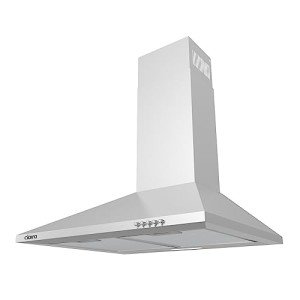


Cooking Hood
Add a review FollowOverview
-
Founded Date March 7, 1996
-
Sectors Sales & Marketing
-
Posted Jobs 0
-
Viewed 28

Company Description
Extractor Hood Tools To Streamline Your Daily Life Extractor Hood Trick That Everybody Should Be Able To
The Ultimate Guide to Cooker Extractor Hoods: Clean Air and Cooking Efficiency Made Easy
In today’s kitchens, functionality and visual appeals go hand-in-hand. One important element that frequently takes center phase is the cooker extractor hood. These kitchen appliances not only improve the visual appeal of a cooking space however likewise play a crucial function in preserving air quality. In this comprehensive guide, we will explore the different types of cooker extractor hoods, their advantages, setup considerations, and maintenance suggestions.
What is a Cooker Extractor Hood?
A cooker extractor hood, commonly called a range hood, is a home appliance installed above the cooking surface area. Its main function is to aerate the kitchen by getting rid of smoke, steam, heat, and cooking odors. It can likewise help eliminate grease particles that could choose surfaces, hence improving the overall cleanliness of the kitchen.
Why Do You Need a Cooker Extractor Hood?
- Air Quality Improvement: Removes hazardous smoke and pollutants from the air.
- Odor Control: Prevents the sticking around smell of food from taking control of your home.
- Grease Reduction: Minimizes grease accumulation on cabinets and countertops.
- Cooking Efficiency: Helps maintain a comfortable cooking temperature.
Types of Cooker Extractor Hoods
Cooker extractor hoods been available in numerous designs and functionalities. The ideal option will depend on your kitchen style, area, and cooking habits.
1. Wall-Mounted Hoods
Description: These hoods are installed directly to the wall above the cooking area. They are popular for their aesthetic appeal and performance.
Pros:
- Stylish style options.
- Available in various sizes.
Cons:
- Requires enough wall space.
2. Island Hoods
Description: Installed above an island cooktop, these hoods are suspended from the ceiling.
Pros:
- Provides a focal point in open kitchen designs.
- Effortlessly catches smoke and steam from all angles.
Cons:
- Typically more expensive.
- Needs ceiling assistance.
3. Under-Cabinet Hoods
Description: These compact hoods fit below the cabinet above the stove.
Pros:
- Space-saving style.
- Easy to set up.
Cons:
- Limited extraction power.
4. Downdraft Hoods
Description: Integrated into the cooking surface area, downdraft hoods rise when in use and withdraw when not needed.
Pros:
- Sleek and unobtrusive design.
- Excellent for kitchens with minimal headspace.
Cons:
- Usually less powerful than conventional hoods.
5. Integrated Hoods
Description: Custom-fitted into cabinets, built-in hoods mix seamlessly with the kitchen decoration.
Pros:
- Aesthetic versatility.
- Can be customized to specific kitchen styles.
Cons:
- Installation can be complex and costly.
| Kind of Hood | Pros | Cons |
|---|---|---|
| Wall-Mounted | Stylish options, multiple sizes. | Needs wall space. |
| Island | Centerpiece, catches from all angles. | More costly, needs ceiling assistance. |
| Under-Cabinet | Space-saving, simple to install. | Restricted extraction power. |
| Downdraft | Streamlined design, good for tight areas. | Less powerful. |
| Integrated | Visual versatility, custom-made fit. | Complex installation. |
Key Features to Consider
When selecting a cooker extractor hood, numerous functions can impact its performance and convenience. Here are some to remember:
Suction Power (CFM): Measured in Cubic Feet per Minute (CFM), this suggests how efficiently the hood can eliminate air. Higher CFM scores usually imply better suction.
Sound Level (Sonnes): Noise is another crucial element. Search for hoods that provide quieter operation, typically ranked under 60 sones for an optimum cooking experience.
Filters: Consider whether the hood uses charcoal filters (for recirculating designs) or aluminum baffle filters (for ducted designs). Quickly changeable filters simplify maintenance.
Ducted vs. Ductless: Ducted hoods vent air outside, while ductless hoods filter air and recirculate it back into the kitchen. Each has its benefits, depending on the kitchen’s design.
Control Panels: Look for intuitive controls like touch panels or remote controls for ease of operation.
Setup Considerations
Appropriate setup is important for the efficiency of a cooker extractor hood. Here are vital tips:
- Height from Cooktop: Most producers recommend an installing height of 26 to 30 inches above the cooking surface area.
- Ducting: Ensure that ductwork is properly sized and set up to promote effective air circulation.
- Professional Installation: If unsure, working with an expert can make sure the hood is installed properly.
Upkeep Tips
To keep your cooker extractor hood operating optimally, follow these upkeep tips:
- Clean Filters Regularly: Depending on use, filters need to be washed or replaced every 1-3 months.
- Clean Down Exterior: Use a non-abrasive cleaner to keep the outside gleaming.
- Inspect Vent Ducts: Ensure ducts are without clogs and particles.
- Inspect for Grease Build-Up: Regularly inspect the fan and blower system to avoid grease build-up.
Regularly Asked Questions (FAQ)
1. How typically should I clean my cooker extractor hood?
- It’s advisable to tidy filters every 1-3 months, while the outside can be cleaned up as needed, normally every few weeks.
2. Can I install a cooker extractor hood myself?
- While some models may be straightforward, it’s recommended to employ a professional to ensure correct installation for ideal efficiency.
3. What is the ideal CFM for a cooker extractor hood?
- A good guideline is to have 600 CFM for heavy cooking designs and 300-400 CFM for lighter cooking.
4. Should I pick a ducted or ductless hood?
- If your kitchen enables it, a ducted hood is normally more efficient. Nevertheless, if ducting is not possible, a ductless choice can provide sufficient filtration.
5. Do cooker extractor hoods make sounds?
- Yes, all cooker extractor hoods produce some sound. Nevertheless, models created with noise-reduction functions can operate more quietly.
Selecting the right cooker extractor hood can significantly boost your kitchen experience by improving air quality, decreasing odors, and maintaining tidiness. Understanding the different types, features, and upkeep needs will empower property owners to make an informed choice customized to their cooking habits and kitchen design. As kitchens continue to progress into functional home, an efficient cooker extractor hood is not just a luxury– it is a need.