


Shipping Container Conversion
Add a review FollowOverview
-
Founded Date October 3, 1942
-
Sectors Restaurant / Food Services
-
Posted Jobs 0
-
Viewed 33

Company Description
This Is What Shipping Containers Will Look In 10 Years’ Time
The Versatile World of Shipping Containers: More Than Just Cargo Carriers
Shipping containers are typically viewed as mundane metal boxes that help with worldwide trade. Nevertheless, their versatility extends far beyond transferring items across oceans. From ingenious housing solutions to pop-up shops and even art setups, Shipping Container Dimensions containers are changing different markets. This article checks out the multifaceted applications of shipping containers, providing insights into their usage, benefits, and the future potential they hold.
The Basics of Shipping Containers
Shipping containers were established in the mid-20th century to streamline worldwide shipping. Readily available in standard sizes– most frequently 20-foot and 40-foot– they have become the foundation of global trade.
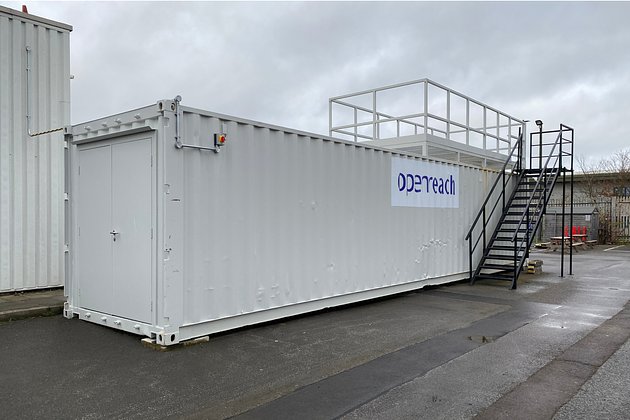
Table 1: Common Shipping Container Dimensions
| Container Type | Length (ft) | Width (feet) | Height (ft) | Typical Volume (cu feet) |
|---|---|---|---|---|
| Standard | 20 | 8 | 8.5 | 1,169 |
| High Cube | 40 | 8 | 9.5 | 2,694 |
| Standard | 40 | 8 | 8.5 | 2,390 |
| High Cube | 20 | 8 | 9.5 | 1,350 |
These dimensions make them perfect for various usages aside from standard shipping.
Diverse Applications of Shipping Containers
1. Housing and Modular Construction
One of the most amazing advancements in shipping container use is their adjustment for housing. Compact, long lasting, and fairly economical, they use special solutions to the housing crisis.
- Cost: Compared to conventional structure methods, building homes with shipping containers can minimize expenses by 20-30%.
- Sustainability: By recycling old containers, home builders can produce low-impact homes that reduce waste.
- Speed of Construction: Container homes can be developed quickly, typically within weeks, thanks to their modular nature.
List of Container Home Features
- Energy efficiency (solar panels, effective insulation)
- Customizability (floor strategies, styles)
- Mobility (quickly transported)
- Resilience (long lasting under severe weather)
2. Retail and Pop-Up Shops
Shipping containers are becoming increasingly popular as retail spaces. They can be changed into pop-up stores, food stalls, and even permanent retailers. This trend is especially kept in mind in urban locations where area is valuable.
- Flexibility: They can be positioned essentially anywhere, targeting high-traffic locations.
- Branding: Unique container styles can enhance a brand’s image, attracting customers.
- Cost-effectiveness: Lower overhead costs make it much easier for small companies to enter the marketplace.
Table 2: Advantages of Shipping Containers in Retail
| Benefit | Explanation |
|---|---|
| Lower rental costs | More affordable than standard retail areas |
| Brief setup time | Quick installation permits quick entry |
| Customization options | Easy to modify for branding needs |
| Eco-friendly option | Uses recycled materials |
3. Catastrophe Relief and Emergency Shelters
In times of natural catastrophes, shipping containers are progressively used as temporary shelters. Their sturdiness and weather condition resistance make them suitable for fast deployment in crisis circumstances.
- Rapid Deployment: Containers can be transferred to impacted areas rapidly.
- Long lasting: Designed to stand up to extreme conditions, they offer trustworthy shelter.
- Adjustable: Can be modified into different kinds of lodgings, from single units to bigger recreation center.
4. Art Installations and Creative Spaces
Artists have started utilizing shipping containers as canvases and galleries. Their distinct shapes and sizes influence ingenious installations, making them a stylish option in public and personal art projects.
List of Artistic Applications
- Interactive art setups
- Gallery spaces for exhibitions
- Performance venues
- Mobile art studios
Shipping Containers: A Sustainable Choice
The shift towards sustainability can not be overlooked. Using shipping containers encourages recycling and adaptive reuse, helping to minimize the carbon footprint connected with traditional building materials. In addition, lots of container homes and services stress energy effectiveness through making use of green technologies.
Table 3: Environmental Benefits of Using Shipping Containers
| Benefit | Description |
|---|---|
| Decreased Waste | Recycling old containers lessens garbage dump usage |
| Lower Energy Consumption | Many designs focus on environmentally friendly practices |
| Minimal Resource Use | Needs less new materials compared to conventional builds |
FAQs about Shipping Containers
Q1: Can shipping containers be used for long-lasting housing?
A1: Yes, numerous housing jobs utilize shipping containers as long-lasting homes, particularly in regions dealing with housing shortages.
Q2: How do shipping containers hold up versus severe weather condition?
A2: Shipping containers are designed to withstand extreme marine conditions, making them resilient against severe weather occasions.
Q3: Are shipping containers safe to utilize?
A3: Yes, correctly modified shipping containers fulfill developing codes and security requirements. It’s necessary to talk to experts throughout the modification procedure.
Q4: What are the expenses associated with buying and modifying a shipping container?
A4: The cost can differ widely depending upon size, condition, and modifications however typically varies from ₤ 1,500 to ₤ 5,000 for the container itself, with additional expenses for modification that can go beyond the initial purchase rate.
Q5: Where can I buy shipping containers?
A5: Shipping containers can be bought from specialized dealers, shipping business, or online markets.
The Future of Shipping Containers
As the world continues to welcome sustainability and innovative solutions, the prospective applications of shipping containers will only grow. Architects, entrepreneurs, and communities are continuously discovering new methods to repurpose these as soon as purely practical objects.
Shipping containers are not just vessels for carrying goods; they are transforming living and working areas, promoting imagination, and leading the way for a more sustainable future. As we continue to establish these solutions, the humble shipping container may effectively become a symbol of innovation in the 21st century.